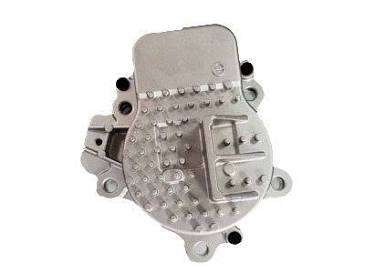
As hybrid specialists, we often see engine water pump issues in third-generation Toyota Prius models (2010-2015). While the Prius is known for its reliability, its engine's electric water pump can be a common point of failure.
What Does the Electric Water Pump Do?
The third-generation Prius uses an electric water pump to circulate coolant through the engine. Unlike traditional mechanical pumps driven by the engine's belt, this electric pump operates independently, which allows more precise control of coolant flow.
Common Symptoms of Water Pump Failure
When the engine's water pump starts to fail, you might notice:
- Warning lights on the dashboard: The "Check Hybrid System" light may appear along with the engine and temperature warning lights. We've seen these come on in different combinations.
- Reduced power or "limp mode" activation: The vehicle limits performance to prevent damage. The Prius may appear to stall or become very sluggish.
- Decreased fuel efficiency: The engine may not operate at optimal efficiency leading up to the pump failure.
- Low coolant: don't ignore this symptom, there can be many causes of low coolant
Anytime there are warning lights on the dash the Prius should store a set of diagnostic trouble codes. To access these codes you'll need to buy or rent a DTC reader. There are many options to choose from these days.
Diagnostic Trouble Codes
Common diagnostic trouble codes (DTCs) associated with engine water pump failure include: P261B: Engine Coolant Pump 'B' Control Circuit Range/Performance.
If you have this code do not drive the vehicle!
Why Do These Pumps Fail?
Several factors can contribute to engine water pump failure in the third-gen Prius:
- Age and mileage: Like all components, the pump has a finite lifespan.
- Electrical issues: The pump's electronic controls can deteriorate over time.
- Coolant quality: Using incorrect coolant or neglecting proper maintenance can accelerate wear.
- Heat exposure: Constant exposure to high temperatures can affect the pump's components.
Consequences of a Failed Water Pump
Driving with a failing engine water pump can cause serious consequences!
- Engine Overheating: Without proper coolant circulation, engine temperatures can rise rapidly, leading to overheating.
- Warped Cylinder Head: Excessive heat can cause the aluminum cylinder head to warp, compromising the engine's structural integrity.
- Blown Head Gasket: Warping can lead to head gasket failure, allowing coolant and oil to mix, which can cause severe engine damage.
Repairing a warped cylinder head or replacing the gasket is a complex and costly process. This can sometimes involve machining the head to restore its flatness or, in severe cases, replacing it entirely.
The Importance of OEM Parts
We exclusively use genuine Toyota OEM water pumps for these replacements. While aftermarket options exist, we've found that OEM parts offer superior reliability and longevity. Don't fall for the cheap Amazon or auto store pumps unless you want to replace it twice!
Final Reminder
- Don't ignore warning lights
- Check coolant levels
- Check codes
- Use OEM parts
Have a Toyota that's throwing this code?
Free mobile diagnostic, no upfront fee.