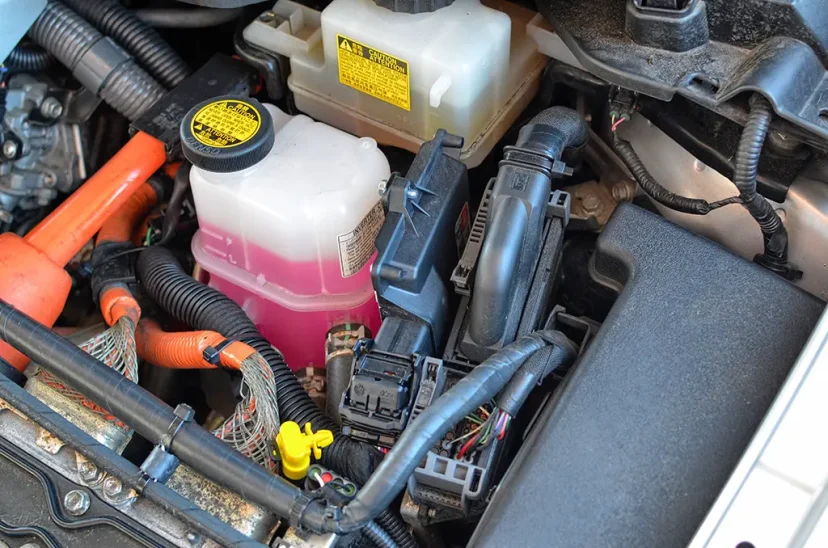
When asked, many hybrid owners admit that one of the reasons they switched to a Prius or other hybrid vehicle is the car's low maintenance needs. Compared to ICE vehicles (internal combustion engines), a hybrid should have longer intervals between maintenance needs due to less wear on the engine and braking system. To ensure your Prius or other hybrid keeps running smoothly and lasts for years, try to stick to the manufacturer's recommended maintenance schedule.
Oil Changes
Keep your engine running smoothly by getting regular oil changes. Check your owner's manual for the recommended interval, usually around 10,000 miles. If you have a higher-mileage Prius that burns oil, change it more often and check oil levels regularly. Use high-quality synthetic oil for optimal performance.
Fluid Checks and Changes
Don't ignore the fluids! Regularly check and replace brake fluid, coolant, and transmission fluid. These are essential for your car's performance and safety. Check your owner's manual for guidance on when to do this for your specific make and model.
Tire Maintenance
Rotate and align your tires regularly to ensure even wear. Keep an eye on tire inflation and tread depth. Well-maintained tires not only save you gas but also give you better control on the road. Tire pressure specs are on the driver's side door jamb.
Hybrid Battery Cooling Fan
The hybrid battery's cooling fan can become clogged with hair and debris over time, reducing airflow to the battery. Keeping the car garaged in extreme weather also extends battery life.
- Prius C: clean the fan every 25,000 miles
- All other models: every 50,000 miles
- Pet owners or anyone with long hair: increase frequency
- Use your best judgement near high voltage — if in doubt, hire a professional
Air Filter Replacement
Replace the engine air filter at the recommended intervals, usually every 15,000 to 30,000 miles. This ensures your engine performs at its best and saves you money on fuel.
Brake System Maintenance
Check brake pads, rotors, and calipers regularly. Look out for squealing noises or reduced stopping power. The regenerative braking system extends brake pad life, but brake fluid still degrades and rotors can rust from infrequent use.
EGR Valve Cleaning
Clean the EGR cooler system at 100,000 miles. The EGR can get plugged with carbon buildup and cause insufficient flow. This affects the engine's ability to release pressure, causing the head gasket to weaken over time — a slow process that many owners don't notice until it's too late.
Not sure whether to repair or sell?
Repair the battery to keep driving it, or sell the hybrid instead.